How to Choose Primary English Books That Support Your Child’s Learning
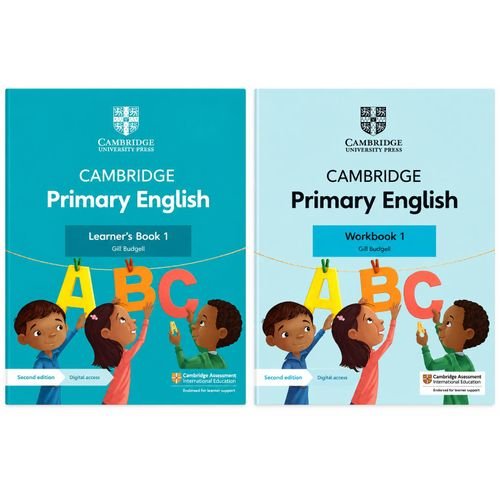
English is an important part of a child’s primary school education. It helps children learn new words, write sentences, and express their ideas clearly. Parents can support their learning by choosing books that suit their child’s age and school level. When choosing a primary English book Singapore parents should look for simple explanations, useful exercises, and topics that match the school curriculum. The right book can make learning English easier and more enjoyable.
| Key TakeawaysChoose English books that match your child’s current school level and learning abilities.Look for resources that develop reading, writing, grammar, vocabulary, and comprehension.Select books with clear explanations, age-appropriate activities, and practical examples.Use regular practice sessions to reinforce classroom learning without overwhelming your child.Review your child’s progress and adjust learning materials as their needs change. |
1. Understand Your Child’s English Learning Needs
Before buying English learning books, find out which areas your child needs help with. Some children may need help with reading and comprehension, while others may struggle with spelling, grammar, or sentence writing. Choosing the right books can make learning easier.
For example, a Primary 2 pupil who makes spelling mistakes can practise vocabulary and dictation. A Primary 5 pupil who struggles with comprehension can practise finding the main idea and answering questions based on a passage.
Check your child’s schoolwork and teacher’s feedback to understand their needs. Choose books that match your child’s learning level and provide enough practice without making learning too difficult.
2. Choose Books That Match the Singapore Primary English Curriculum
Children learn better when their English books match what they study at school. In Singapore, primary English lessons include listening, speaking, reading, writing, grammar, vocabulary, and comprehension.
When choosing books, check the topics and exercises. A good book should help children practise their school lessons and improve their English skills.
Choose books based on your child’s level. Younger children need pictures, simple instructions, and short activities. Older pupils may need longer reading passages, grammar exercises, and writing practice.
The right books help children practise at home, improve their English, and build confidence.
3. Look for Books That Develop Essential English Skills
English proficiency involves more than memorising vocabulary or completing grammar worksheets. Children need to understand how different language skills work together. Choosing books that address several areas of English can help them build a stronger foundation.
Reading and Comprehension
Reading helps children learn new words, understand sentences, and improve their writing. Choose books with simple stories, short passages, and interesting facts suitable for your child’s age.
Comprehension exercises should include questions about important details, main ideas, word meanings, and simple conclusions. As children improve, they can practise answering questions using their own words.
Parents can also ask children to retell a story, describe a character, or explain why something happened. These activities help improve reading and understanding skills.
Grammar and Sentence Construction
Grammar books help children understand how words and sentences function. Useful topics include tenses, subject-verb agreement, punctuation, conjunctions, pronouns, and prepositions.
Choose resources that explain each concept clearly before introducing practice questions. Examples are particularly helpful because they show children how a grammar rule works in context.
Sentence-building activities can also improve writing quality. When children learn to combine ideas, correct errors, and organise sentences logically, they become better equipped to communicate their thoughts.
Vocabulary and Spelling
A good vocabulary helps children understand passages and express their ideas clearly. Choose books that teach new words through simple sentences, short passages, and useful exercises.
Activities such as matching words with meanings, finding synonyms and antonyms, completing sentences, and correcting spelling mistakes make learning easier.
Encourage children to use new words in their own sentences. This helps them remember the words and understand how to use them in daily life.
Writing and Composition
Writing helps children organise their ideas, choose the right words, and write clear sentences. A good composition book should include examples, writing topics, and simple steps to plan their work.
Younger children can practise writing with pictures and sentence prompts. Older children can learn storytelling, descriptive writing, and how to correct mistakes.
Choose books that teach children how to write on their own, not just copy sample answers. This helps them develop their ideas and become confident writers.
4. Check the Quality and Structure of the Learning Materials
A book’s presentation can influence how easily a child understands and uses it. Even a resource with useful content may be difficult to follow if the instructions are confusing or the exercises are poorly organised.
Before making a purchase, review a few sample pages. Check whether the explanations are clear, the examples are relevant, and the questions progress logically from easier tasks to more challenging ones.
The following features can help parents compare different resources.
| Feature | What to Look For | How It Helps |
| Clear explanations | Simple definitions and worked examples | Helps children understand language concepts |
| Level-appropriate content | Exercises suited to the child’s school level | Prevents unnecessary frustration |
| Varied activities | Reading, grammar, vocabulary, and writing tasks | Supports balanced language development |
| Answer key | Accurate answers and explanations where appropriate | Allows children to review their work |
| Logical progression | Concepts introduced before advanced exercises | Builds knowledge step by step |
| Readable layout | Clear fonts, suitable spacing, and organised sections | Makes independent practice easier |
A resource does not need to include every possible activity. Focus on whether its structure supports your child’s learning goals and makes regular practice manageable.
5. Select Books That Encourage Independent Learning
Independent learning helps children practise their skills, learn from mistakes, and take responsibility for their progress. Good books with clear instructions and simple exercises can help children learn on their own.
When choosing a primary school book, make sure your child can understand the instructions. Younger children may need pictures and examples, while older pupils can try more challenging exercises.
Answer keys help children check their work. Encourage them to answer questions first and understand their mistakes before looking at the answers.
Parents can set a simple daily routine with a few exercises. Offer help when needed and encourage children to try similar questions again. This helps them practise regularly and become more confident learners.
6. Balance Practice Books With Regular Reading
Practice books help children improve their English, but reading should also be enjoyable. Stories, magazines, and books about animals, science, or history help children learn new words and understand how English is used.
Create a reading routine based on your child’s interests. After reading, ask simple questions such as:
- What part did you enjoy most?
- What new word did you learn?
- What do you think will happen next?
- Can you explain the main idea in your own words?
These questions improve reading and speaking skills. You can also ask your child to write a few sentences about a favourite character or note down new words in a notebook.
7. Avoid Choosing Too Many Books at Once
Buying too many English books can confuse children and lead to repeated exercises. Instead, start with one book that matches your child’s learning needs. Add another book only when extra practice is needed.
For example, a child who understands grammar may benefit more from a comprehension book. A child who struggles with writing may need a composition book.
Keep home learning sessions short and regular to help children stay focused. Check their progress every few weeks. If they do well, introduce harder exercises. If they still struggle, help them practise the difficult topics before moving on.
8. Monitor Progress and Adjust Learning Materials
Children’s English needs change as they progress through primary school. A book that is useful now may become too easy later, so choose books that match their growing skills.
Check your child’s schoolwork, reading habits, and confidence to track progress. Look for improvements in grammar, vocabulary, comprehension, and writing.
Do not focus only on correct answers. Review mistakes to understand where your child needs help. You can also ask their teacher for advice if the same difficulties continue.
Most importantly, praise your child’s effort and progress. This helps them learn from mistakes and feel more confident in English.
Final Thoughts
Choosing the right English books starts with understanding your child’s needs and finding areas for improvement. Books with clear explanations, useful exercises, and reading and writing activities can help children improve their English skills.
Focus on quality rather than quantity. Regular practice, enjoyable reading, and helpful feedback can build confidence and encourage independent learning.
Supporting a child’s language development involves regular practice beyond school lessons. Parents can explore Singapore Asia Publishers for learning materials that suit their child’s educational stage and individual needs. The right English resources can encourage children to expand their vocabulary, understand sentence structures, improve comprehension, and express their ideas more clearly.
The goal is to help children understand English, express their ideas clearly, and learn with confidence.
Frequently Asked Questions
1. How do I choose the right English book for my primary school child?
Start by identifying your child’s current school level and the skills that need improvement. Review sample pages to check the difficulty, explanations, and exercise formats. Choose a book that supports the child’s learning goals without being excessively easy or challenging.
2. Which English skills should primary school children practise?
Children should develop reading comprehension, grammar, vocabulary, spelling, sentence construction, and composition writing. Listening and speaking activities are also important because they help children communicate ideas clearly and understand spoken English.
3. How many English practice books should my child use?
There is no fixed number that suits every child. One well-chosen main resource may be sufficient initially. You can add specialised books when your child needs more practice in a particular area, such as comprehension or writing.
4. Are assessment books enough to improve English skills?
Assessment books can provide structured practice and help children become familiar with different question formats. However, they work best when combined with regular reading, vocabulary development, writing practice, and opportunities to use English in everyday situations.
5. How often should children practise English at home?
The ideal frequency depends on the child’s age, school workload, and learning needs. Short, consistent sessions several times a week can help reinforce classroom learning. Adjust the routine if your child becomes tired or needs more time to understand a concept.

Global Arena is a Singapore-focused SEO and digital marketing brand with a network of 25+ publisher websites, helping businesses strengthen their online presence through guest posting, link building, content marketing, and digital PR.
For collaborations, publishing opportunities, or business inquiries:
Hamza@globalarena.org | WhatsApp: +971 52 399 4589