Best Time to Visit Japan: Weather, Seasons & Travel Tips for Singaporeans
Japan is a year-round destination, but March to May and September to November are generally the best time to visit Japan for pleasant weather, sightseeing and seasonal scenery. Spring brings cherry blossoms to cities such as Tokyo, Kyoto and Osaka, while autumn paints parks and temples with colourful leaves. For Singapore travellers, the best time to visit Japan from Singapore also depends on school holidays, flight prices and hotel demand. Here’s a month-by-month look at Japan weather, travel costs and the best seasons for different experiences.
TL;DR: When Is the Best Time to Visit Japan?
The best time to visit Japan is usually March–May or September–November. Visit in March or April for cherry blossoms, and October or November for autumn foliage. December–February suits snow lovers and skiers, especially in Hokkaido. If you’re watching your budget, compare selected winter and shoulder-season dates before booking.
Best Time to Visit Japan by Season
Japan has four distinct seasons, and each offers a different reason to visit. Your ideal travel month depends on the weather you enjoy and the places you want to see.
Spring (March to May)
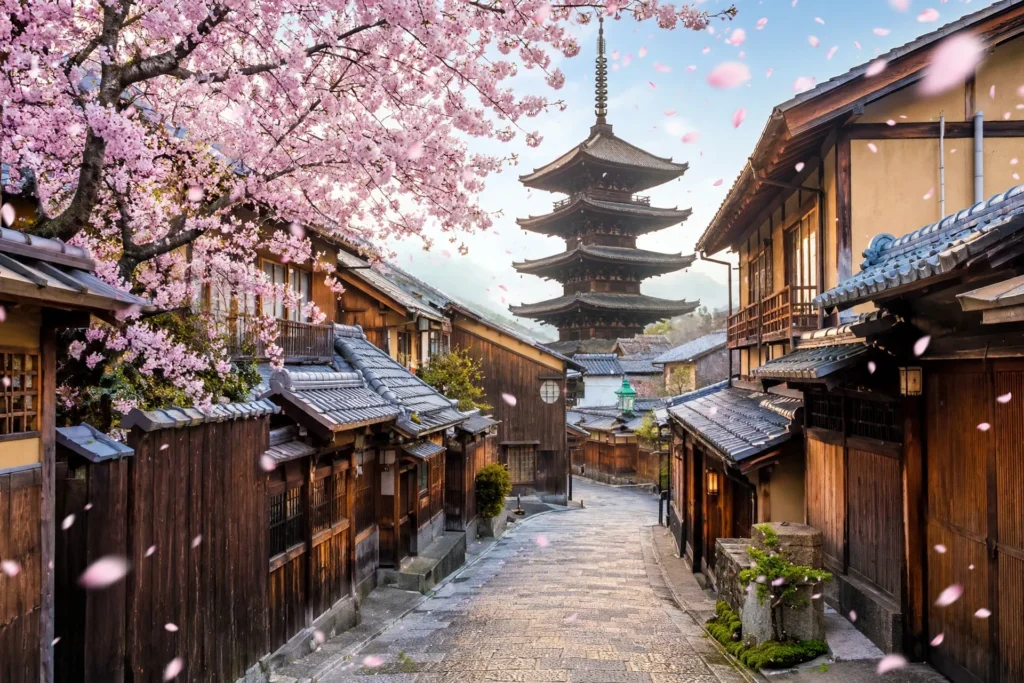
Spring is a favourite time to visit Japan, mainly because of the cherry blossoms. Tokyo, Kyoto and Osaka become popular sakura-viewing destinations as parks, riversides and temple grounds fill with pale pink flowers. Temperatures are generally mild, making long days of sightseeing more comfortable than during the hot summer months.
The Japan cherry blossom season usually falls between March and April, but the dates change by location and year. If seeing the blossoms is your main reason for travelling, check the seasonal forecast closer to your departure date.
One thing to plan around is Golden Week, a series of public holidays in late April and early May. Domestic travel increases during this period, and popular hotels, trains and attractions can become busy. Flight and hotel demand may also rise around the wider spring holiday period.
Summer (June to August)
Summer brings festivals, fireworks and lively evening streets, but the weather can be challenging. June is the rainy season, known as Tsuyu, across many parts of Japan. Hokkaido generally has a different rainfall pattern from much of the country.
July and August are often hot and humid, especially in large cities such as Tokyo and Osaka. Outdoor sightseeing can feel tiring during the afternoon, so plan indoor attractions or take breaks during the hottest hours.
And summer has its own appeal. You can enjoy fireworks displays, local festivals and seasonal food. Typhoons can affect parts of Japan, particularly from summer into autumn, so check weather updates before travelling.
Autumn (September to November)
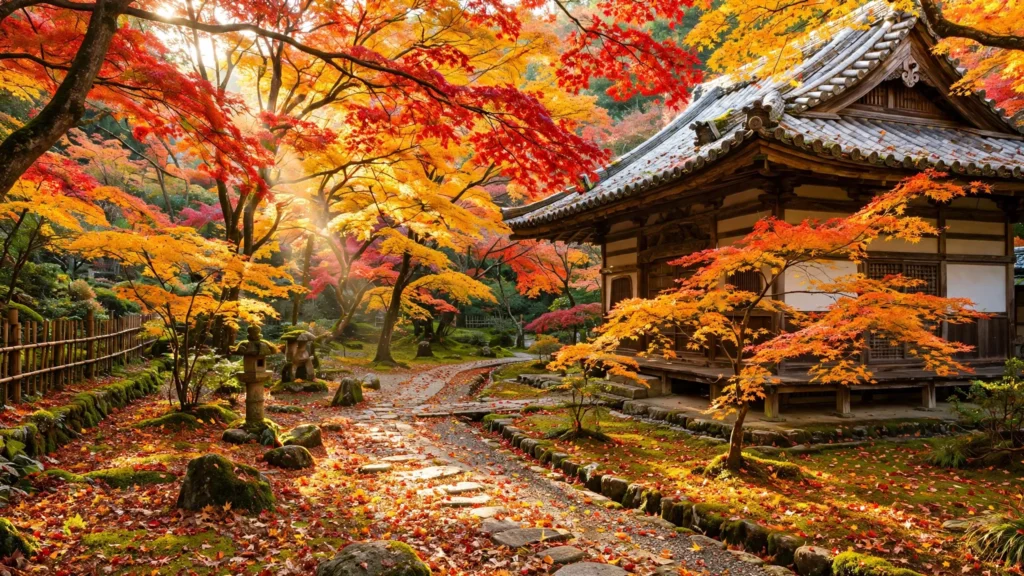
Autumn is another popular season for Japan travel. Temperatures become more comfortable after summer, and maple trees turn shades of red, orange and gold. Kyoto is well known for its temple gardens and autumn scenery, while Tokyo offers colourful parks and garden walks.
The best time for autumn leaves in Japan is often October to November, although the timing varies with location and elevation. Northern areas usually see autumn colours earlier than warmer southern regions.
September can still be hot and humid, and typhoons may affect travel plans. By October, conditions are often more comfortable for walking tours, day trips and outdoor sightseeing.
Winter (December to February)
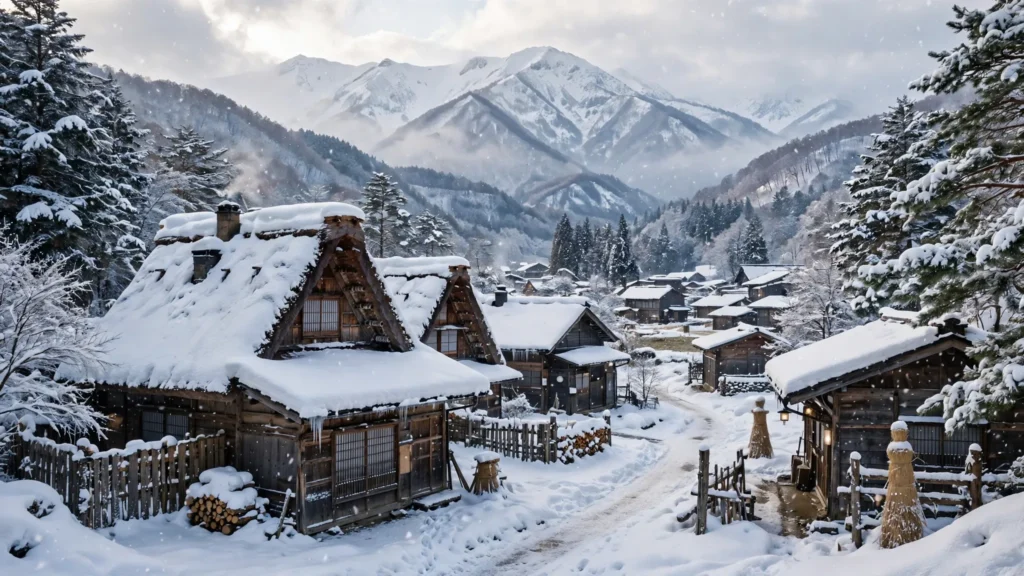
Winter is a great choice if snow is part of your Japan holiday plan. Hokkaido receives heavy snowfall in many areas, making it popular for skiing, snowboarding and winter scenery. Sapporo also hosts its well-known Snow Festival in February.
Cities such as Tokyo and Osaka are usually cold but have less snow than northern Japan. Winter illuminations brighten shopping districts and public spaces, adding a festive feel to the evenings.
Travel can be quieter outside the Christmas, New Year and major holiday periods. If you want to visit Hokkaido, check local snow and transport conditions before setting off.
Japan Weather by Month: January to December
Japan weather by month changes quite a bit from north to south. Tokyo, Kyoto and Hokkaido do not share the same conditions, so use this table as a general planning guide rather than a fixed forecast.
| Month | General weather | Travel experience |
|---|---|---|
| January | Cold; snowy in the north | Skiing and winter activities |
| February | Cold | Snow festivals and ski trips |
| March | Cool, gradually milder | Early cherry blossoms in some areas |
| April | Mild and pleasant | Popular cherry blossom viewing |
| May | Warm in many cities | Sightseeing; Golden Week crowds |
| June | Rainy in many regions | Green scenery and some quieter dates |
| July | Hot and humid | Summer festivals |
| August | Very hot in many cities | Fireworks and summer events |
| September | Warm; possible typhoons | Early autumn trips |
| October | Mild and pleasant | Autumn colours begin in some areas |
| November | Cool | Colourful autumn foliage |
| December | Cold | Winter illuminations and snow trips |
For a more accurate plan, check the forecast for each destination. Hokkaido can be snowy while Tokyo remains mostly clear, even during the same month.
Best Time to Visit Japan from Singapore
For Singapore travellers, the best time to visit Japan from Singapore often comes down to flight prices and school holidays. Direct Singapore to Japan flights operate from Changi Airport to popular destinations, including Tokyo and Osaka, but fares vary by airline, travel dates and booking period.
March, June, September and December can be popular options for families planning around school breaks. Check the latest MOE calendar before choosing your dates, as holiday periods can increase demand for flights and hotels.
Also check Japan’s own holiday calendar. Golden Week in late April and early May, along with Obon in mid-August, can bring busy trains and accommodation demand. If your dates are flexible, travelling just before or after these periods may offer more choices.
Japan Travel Costs: Flights, Hotels & Daily Budget in SGD
Your Japan trip cost from Singapore depends on the season, hotel location, dining habits and how many cities you plan to visit. Compare prices in SGD, and check the current Japanese yen (JPY) exchange rate before setting your daily budget.
| Expense | Budget consideration |
|---|---|
| Return flights from Singapore | Compare airlines, dates and baggage allowances |
| Budget hotel | Check location, room size and transport access |
| Mid-range hotel | Expect higher rates during blossom and autumn periods |
| Daily meals | Costs depend on casual dining or restaurants |
| Local transport | Compare individual fares with suitable travel passes |
| Attractions | Check admission fees and advance booking rules |
Budget travellers can look at hostels, business hotels and casual eateries. Mid-range trips may include centrally located hotels and paid attractions, while premium holidays can involve higher-end stays and private experiences. There is no fixed cheapest fare: compare several dates before booking.
Best Time to Visit Japan for Different Experiences
The best month to visit Japan depends on what you want to see and do. Use this quick comparison when choosing your travel dates.
| Travel experience | Recommended period |
|---|---|
| Cherry blossoms | Late March–April |
| Autumn foliage | October–November |
| Skiing | December–February |
| Summer festivals | July–August |
| General sightseeing | April–May and October–November |
| Budget travel | Selected winter and shoulder-season dates |
Cherry blossom dates vary each year, so check forecasts for your chosen cities. For autumn leaves, remember that northern Japan and higher-altitude areas may change colour before Kyoto or Tokyo. If lower prices matter more than seasonal scenery, compare dates outside major holidays and school breaks.
When to Avoid Visiting Japan
The busiest periods can be challenging if you prefer quieter attractions or lower hotel rates. These include Golden Week in late April and early May, Obon in mid-August, and the Japanese New Year holiday period. June can bring rain to many regions, while late summer and early autumn carry some typhoon risk.
But these dates do not make Japan off-limits. Book accommodation and long-distance transport early, allow extra travel time and keep your plans flexible.
Tips for Singapore Travellers Planning a Japan Trip
- Compare Singapore to Japan flights across different departure dates.
- Check the MOE school holiday calendar before booking family travel.
- Monitor the SGD to JPY exchange rate.
- Pack layers for changing temperatures and regional weather.
- Reserve popular hotels early during spring and autumn.
- Check cherry blossom forecasts if sakura viewing is part of your plan.
Frequently Asked Questions
What is the best month to visit Japan?
April and November are popular choices. April suits cherry blossom viewing, while November is a favourite for autumn foliage.
Is April a good time to visit Japan?
Yes. April often brings mild weather and cherry blossoms, although popular cities can be crowded and hotels may cost more.
What is the cheapest time to visit Japan from Singapore?
Selected winter and shoulder-season dates may offer better value, depending on flight fares, hotel availability and local events.
When is cherry blossom season in Japan?
Cherry blossoms generally appear between March and April, but timing varies by city, region and yearly weather conditions.
Is November a good time to visit Japan?
Yes. November often offers cool sightseeing weather and colourful autumn leaves, particularly in Kyoto and parts of Tokyo.
When should Singaporeans avoid travelling to Japan?
Golden Week, Obon and the New Year holiday period can be busy. Check dates and book transport and hotels early.
Final Thoughts
Spring and autumn are usually the best seasons for a Japan holiday, with cherry blossoms and colourful foliage drawing visitors each year. For Singapore travellers, school breaks, flight fares and hotel demand also matter. Choose dates that suit your plans, then check the weather for each destination.

Global Arena is a Singapore-focused SEO and digital marketing brand with a network of 25+ publisher websites, helping businesses strengthen their online presence through guest posting, link building, content marketing, and digital PR.
For collaborations, publishing opportunities, or business inquiries:
Hamza@globalarena.org | WhatsApp: +971 52 399 4589